
Green Appraisals: Evaluating the Value of Energy-Efficient and Sustainable Homes

Energy-efficient features are no longer rare additions to residential homes. Solar panels, high-efficiency HVAC systems, upgraded insulation, and other sustainability-related improvements now appear regularly in many markets. As these features become more common, homeowners and buyers often assume they automatically increase a property’s value. The reality is more nuanced.
A green appraisal focuses on how energy-efficient and sustainable features are recognized in the market, not simply whether they exist. The goal is to understand how buyers respond to those features, how they influence operating costs, and whether they contribute to marketability in a measurable way.
What a Green Appraisal Actually Evaluates
A green appraisal does not assign value based on environmental intent. It evaluates features based on their characteristics, performance, and market reaction.
When a home includes energy-efficient components, the analysis starts with identifying what those features are and how they function. Solar photovoltaic systems, for example, are reviewed based on size, age, condition, system ownership, and expected performance. Other efficiency elements, such as insulation levels, window quality, and mechanical systems, are considered in terms of how they compare to typical homes in the same market.
The presence of these features alone does not dictate value. Their contribution depends on how they affect utility costs, buyer demand, and overall competitiveness relative to similar properties.
How Solar Systems Are Considered in Appraisal Analysis
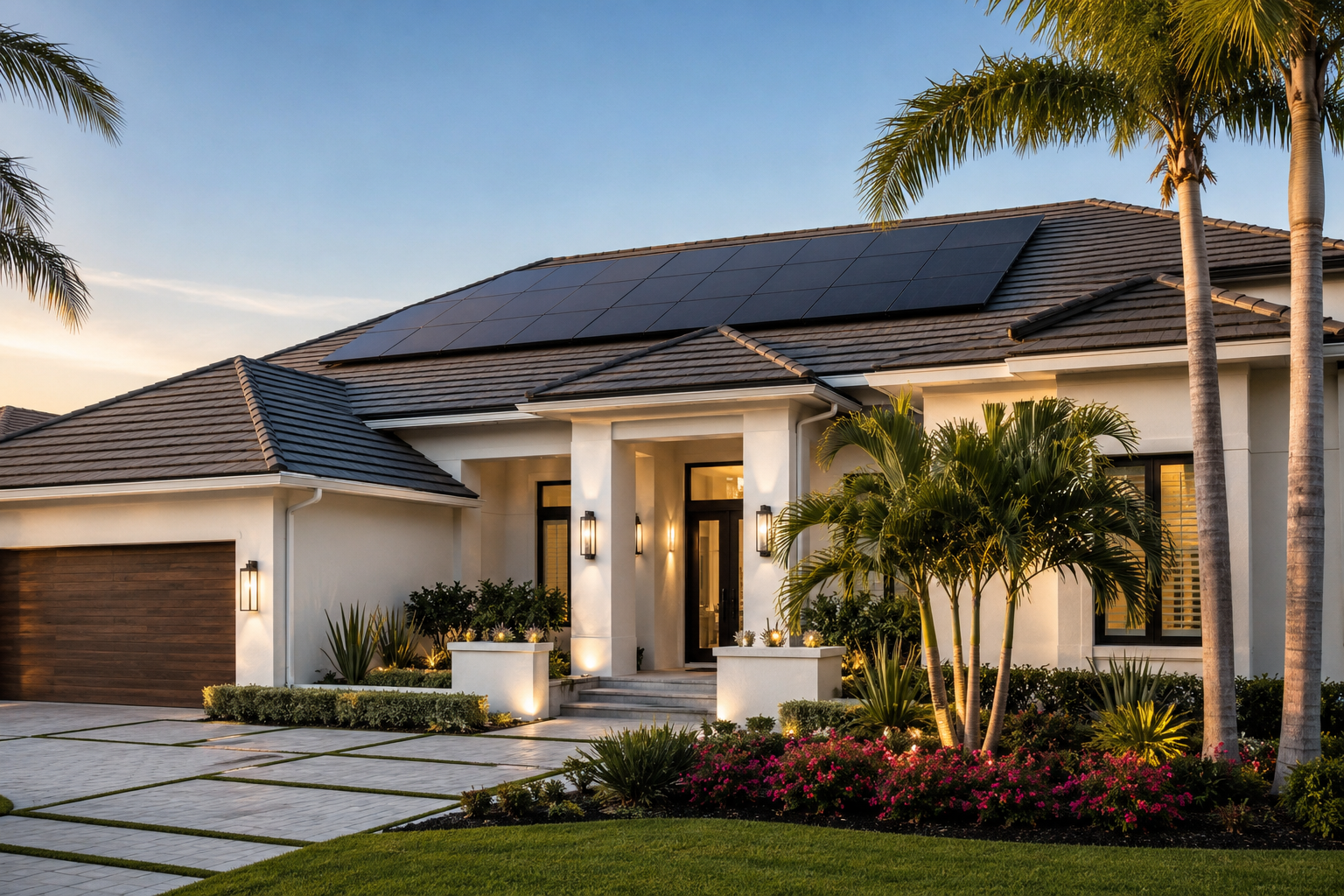
Photovoltaic solar systems receive particular attention because they directly affect a home’s operating expenses. Appraisers review available information on system capacity, installation date, ownership status, and remaining useful life. Systems that are owned outright are analyzed differently than those subject to leases or power purchase agreements, which may carry obligations that affect marketability.
Energy production matters more than panel count. A system’s output, orientation, and efficiency influence how much electricity it generates and how meaningful the cost savings are over time. Documentation such as permits, warranties, and performance reports helps establish credibility and allows the analysis to move beyond assumptions.
Market evidence remains critical. If comparable homes with similar solar systems sell for more, sell faster, or attract stronger buyer interest, that behavior can support a contributory value conclusion. When no such evidence exists, the analysis reflects that limitation.
Cost Savings Versus Market Value
One of the most common misconceptions is that projected utility savings directly translate into property value. Reduced operating costs are relevant, but they do not automatically convert dollar-for-dollar into higher sale prices.
Appraisers consider whether buyers in the local market recognize and pay for those savings. In some areas, energy efficiency is a strong selling point and influences purchase decisions. In others, buyers focus more on location, layout, or condition, with energy features viewed as secondary benefits.
Tax incentives, rebates, and net metering policies may influence ownership decisions, but they are not permanent features of the property itself. Appraisal analysis focuses on what transfers with the home and how the market responds at the time of sale.
Market Perception and Buyer Behavior
Energy-efficient homes often benefit from increased interest, particularly among buyers who prioritize long-term operating costs or sustainability. That interest can improve marketability, even when price premiums are modest or difficult to isolate.
Comparable sales analysis helps determine whether green features are influencing buyer behavior in a measurable way. If homes with similar efficiency profiles consistently outperform less efficient alternatives, that pattern supports recognition in the valuation process. When data is limited, the appraisal explains the constraint rather than overstating conclusions.
This approach ensures the analysis remains grounded in observable market behavior rather than expectations.
Why Documentation and Expertise Matter
Accurate evaluation depends on information. Without documentation, appraisers are limited in what they can verify. Providing clear records for solar installations and other efficiency upgrades helps ensure those features are properly considered.
Experience also matters. Green features introduce variables that require careful interpretation, particularly when markets respond inconsistently. Appraisers familiar with energy-efficient construction and sustainability-related improvements are better equipped to distinguish between theoretical benefits and market-supported contributions.
Where Green Appraisals Fit Into Real Decisions
Green appraisals help clarify how energy-efficient features function within a specific market at a specific time. They do not promise premiums or guarantee returns. They explain how features compare, how buyers respond, and where efficiency matters most.
For homeowners, that understanding helps set realistic expectations. For buyers, it provides clarity when comparing properties with different operating profiles. For real estate professionals, it offers context that supports informed pricing and negotiation decisions.
As energy efficiency continues to evolve, appraisal analysis will continue adapting alongside it. The most reliable conclusions remain rooted in data, documentation, and market behavior, not assumptions.
When homes include sustainability features that warrant careful interpretation, professional appraisal analysis helps ensure those features are evaluated accurately and consistently. Gulf Stream Residential Appraisal works with homeowners, buyers, and real estate professionals when energy efficiency and market behavior intersect and objective analysis matters.





Hey, I’m Shane. I’m a certified residential appraiser here in Southwest Florida, and I focus on complex valuation assignments and helping people understand real estate value with clarity.